Understanding Solar for Caravans/Campers/RV’s
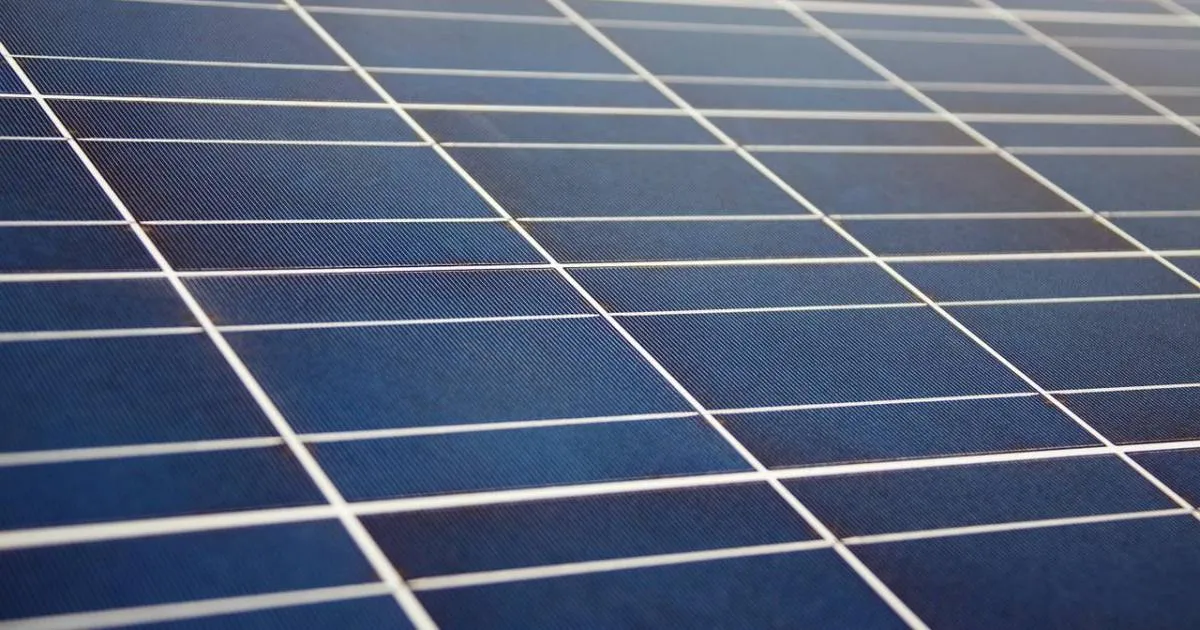
I had a guy ask me about solar because he didn’t understand how a 400W panel only had a 9A output. This is a valid question with a simple answer: the panels output current is based on the panels output voltage. Never confuse this with the desired charge current you want from your solar controller.
Let me add, I am a qualified electrician, so this is well within my realm of expertise. An FYI, everything electrical is also viewed as fire risk potential. Higher currents are an increased fire risk, higher voltage increased electrocution risk.
The formula you need to use is: P / VI (P ÷ V x I) P=Power in Watts, V=Voltage and I=Amps.
Let me make this real simple. The higher the voltage, the lower the current. The lower the voltage, the higher the current. Your charge controller / DCDC that allows solar input, it will have a maximum voltage input and current output.
Why do you want a higher voltage solar panel than your charge voltage (battery)? Because the higher the voltage solar panel, means the smaller the cable / the less loss you incur in that cable, as current creates heat and heat creates resistance, resistance creates voltage loss and around in circles this goes. So for hot locations, or to operate effectively in hot locations, higher voltage panels is in your best interest to mitigate losses created by ambient temperature without ridiculous cable size needed.
Follow the golden rule for charger placement, being that the charge source (DCDC / solar controller) should always be closest to your batteries being charged, typically low voltage, high current. This allows less loss and less cost to run the longer cable run from a panel to the converter itself. This reduces fire risk too.
This is why you should choose the right converter for the job, not simply use a DCDC if you don’t have a primary source and your secondary source is solar. DCDC’s tend to have lower voltage inputs, for example, Redarc 40A is 9 – 32V input where Enerdrive use a dual input system, the alternator is 10.5 – 16V and for solar <23V (600W max) or 37.5 – 45V (800W max). This is why Enerdrive are used in caravans more than Redarc, as you can use higher voltage panels which reduce current and thus cable size (weight), less fire risk.
Better again, for solar only, Victron have basic solar controllers at 100V 30A and 100V 50A, which means if you use 69.2V panels, and say if each panel is around 415W on your roof, then you’re only having to wire for 6A per panel to the solar controller. Two panels (830W) at just 12A wiring to your 50A charge controller. This is more than needed to generate 50A output in full sun, allowing an extra 100w to improve output with climate issues.